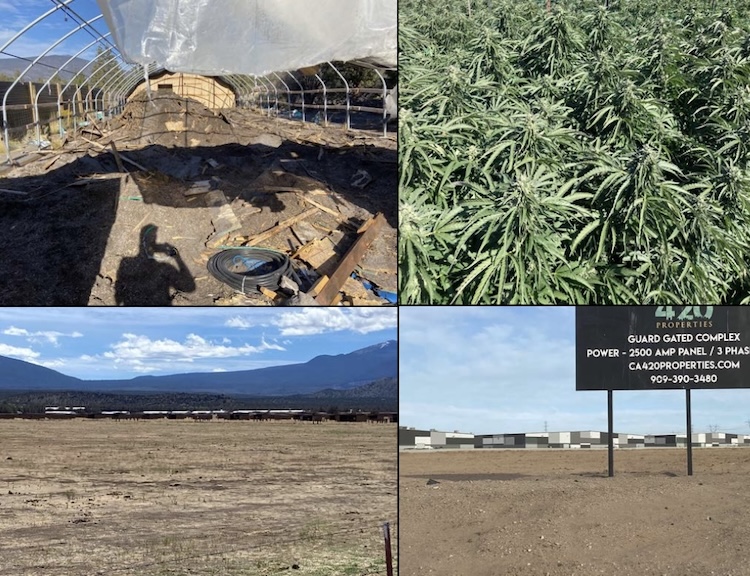
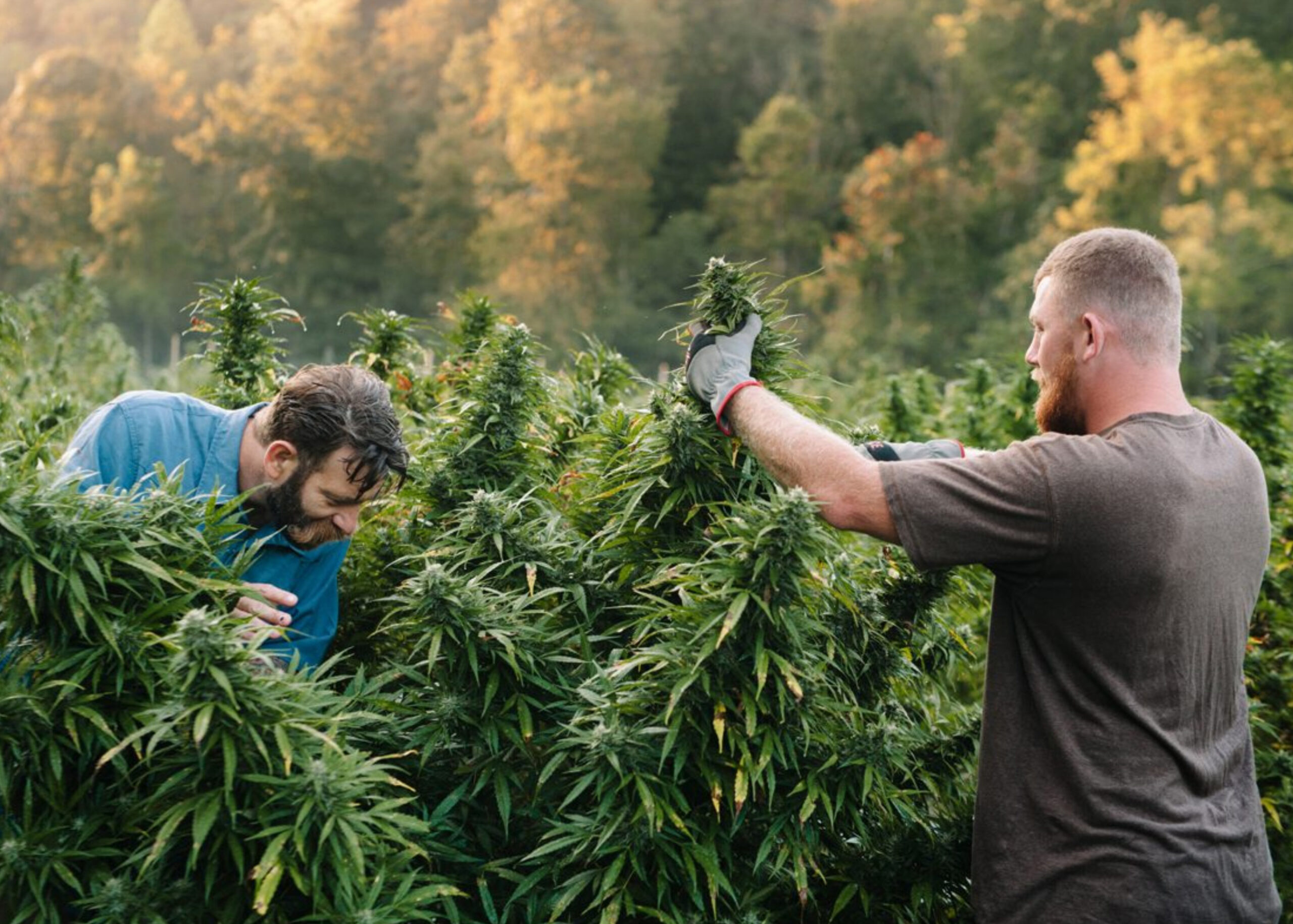
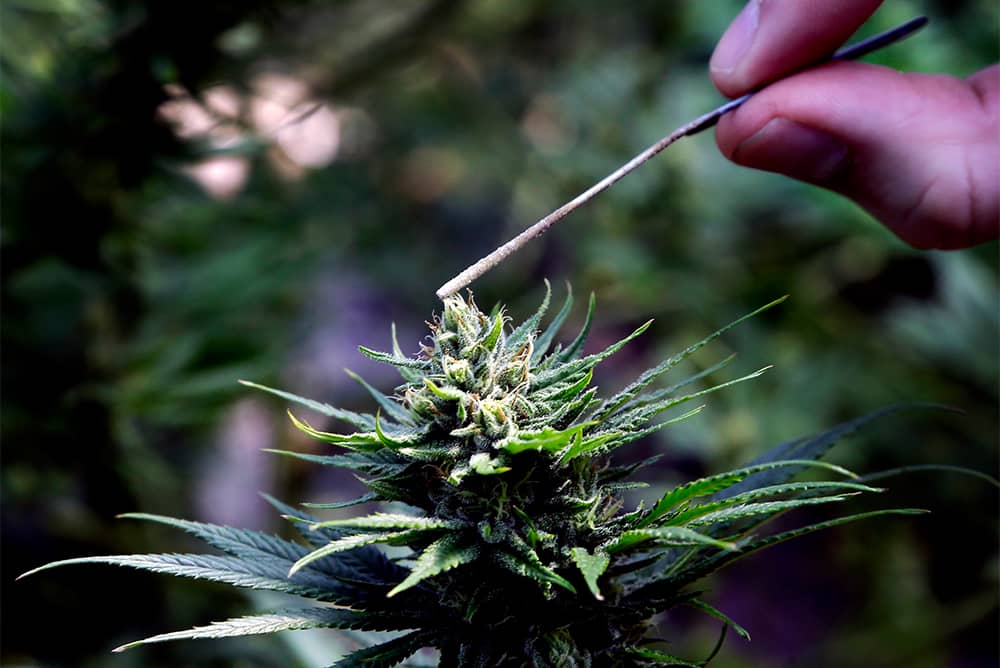
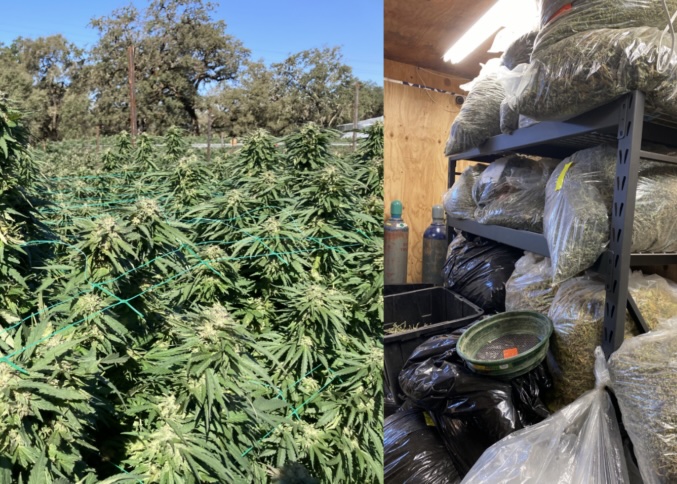
Cannabis brings income to rural regions, supports urban economies and influences local culture. Prohibition and legalization structured community and economic dynamics differently, however. Our studies investigate the effects of practices, policies and programs by engaging with the people who depend on the cannabis industry.
What we’ve learned
- Rural economies in cannabis-growing regions of California need increased support to withstand rapid policy shifts. Small-scale growers face financial, administrative and psychological barriers to comply with onerous permitting requirements.
Polson et al. 2023 Bodwitch et al. 2021 - Legalization of cannabis production disrupts supportive, collective systems of cultivation that formed during prohibition. Policies that recognize and build from traditions of “commoning” protect community-based practices that sustain collective benefits.
Polson and Bodwitch 2021 - In rural counties of California, cannabis legalization has ignited political struggles that shape exurban development, regional planning, and land use regimes with implications for social inclusion and political power.
Polson 2020 Polson 2017 Polson 2015 - Environmental concerns about cannabis production can mask discriminatory policies that perpetuate prohibition stigmas. When farmers inform policies as legitimate stakeholders and environmental stewards, benefits abound for cannabis-producing communities and the environment.
Polson 2019 - Following legalized cannabis production, large-scale landowners in Humboldt County reported direct negative effects of cannabis production on their livelihoods including illegal cultivation on private property, issues with shared roads and the increased cost of labor, but also increased property values.
Valachovic et al. 2019
Science and Policy Briefs
Sorry, No posts.
Researchers
Related Publications
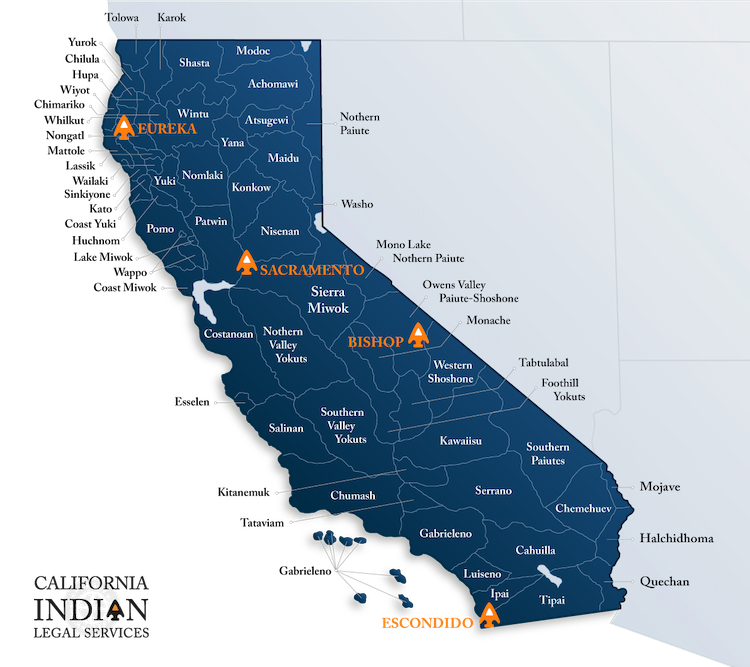
Cannabis Impacts on Native Lands: On the Need for Inclusion of Native Perspectives in Extension Work
Land Use Policy Tribes Community Environment